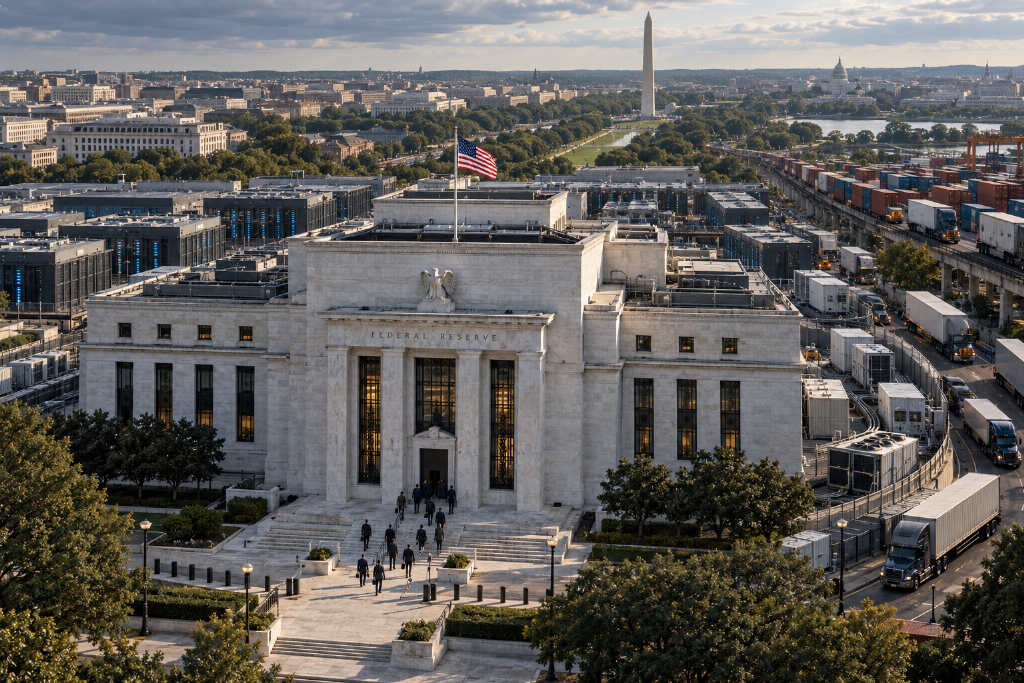
Federal Reser2026-10-02 03:52:24Fed Governor Lisa Cook Warns AI Investment Could Add to Inflation Risk Through 2027Federal Reserve Governor Lisa Cook warned that investment driven by artificial intelligence could put pressure on supply chains and add to inflation risk, with the effect potentially lasting through 2027. She also said the timing of productivity gains from AI remains uncertain. The update was reported by Techub News, citing Crypto Briefing. This is a policy-focused signal from a Fed official, centered on how AI-related capital spending may affect inflation dynamics rather than offering a clear timeline for offsetting gains in productivity.200
US sanctions2026-08-10 11:14:08From chips to sunflower seeds: article says US sanctions drift reflects deeper domestic anxietyA commentary published by MarsBit and attributed to the WeChat account Dongzhen Shanglüe argues that a broader sense of anxiety in the United States is spilling into policy toward China. The piece says more than 70% of US adults feel uneasy about the political environment, 70% face financial stress, and younger people are especially concerned about housing and prices. It also cites Gallup as saying Americans’ anxiety about their political system is unusually distinct among wealthy countries. Against that backdrop, the article points to recent US moves to place Chinese consumer brands such as Qiaqia sunflower seeds, Synear dumplings, and Septwolves menswear on sanctions lists under the banner of concerns tied to Xinjiang-related supply chains. In the author’s telling, restrictions that once centered on advanced technology are now reaching into everyday consumer goods. The commentary frames the problem through three lines at once: the financialization of daily life, a political system that has lost part of its ability to absorb risk, and a hegemonic power struggling with its role as global industrial and geopolitical conditions change. It also notes that on Aug. 5, China’s Ministry of Commerce responded by adding certain US entities, including suppliers tied to Xinjiang traceability technology, to its own lists and by tightening export controls on products including drones. The article ultimately argues that sanctions cannot substitute for rebuilding social trust, industrial capacity, and a more stable domestic economic foundation.1910
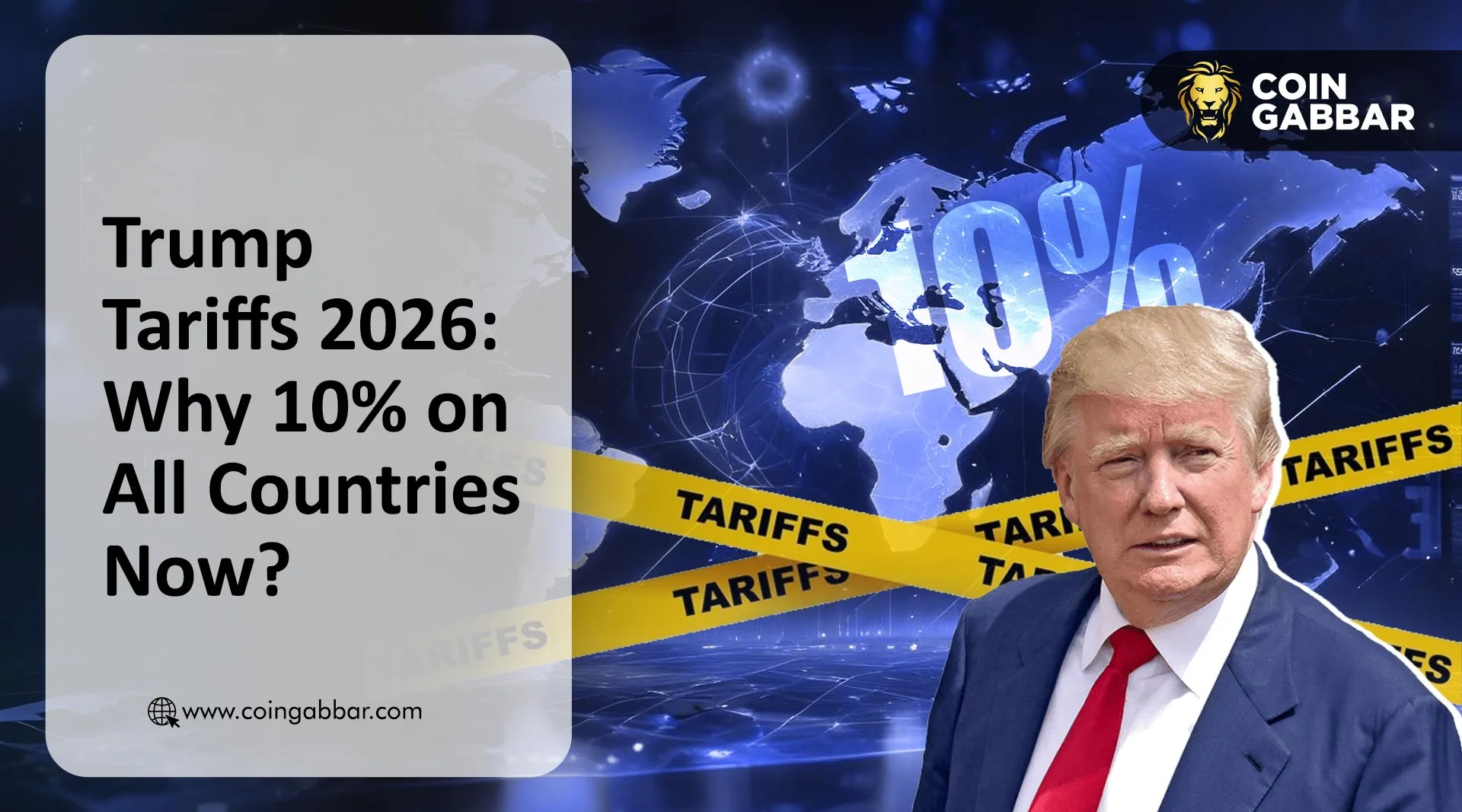
Trump2026-07-24 10:25:16Trump Turns to Section 122 for 10% Global Tariff Plan After Supreme Court SetbackTrump announced a 10% tariff on imports from all countries under Section 122 of the Trade Act of 1974 after the Supreme Court rejected his earlier emergency-based tariff authority.720
Bitunix2026-07-22 03:11:20Bitunix analyst says Hormuz traffic has fallen to 15% of pre-war levels as oil and the dollar pressure global assetsA Bitunix analyst said rising tension in the Middle East is no longer just a geopolitical story. In the analyst’s view, the shock has spread into energy shipping, Federal Reserve pricing, foreign exchange markets, trade policy and technology supply chains. The note said commercial traffic through the Strait of Hormuz has dropped to about 15% of pre-war levels, while the Red Sea and Black Sea are also facing disruptions. Two tankers carrying Saudi crude reportedly turned around in the Red Sea and rerouted through the Suez Canal, and Kazakhstan has suspended oil exports via the Black Sea. The analyst argued that the market is no longer dealing with a single chokepoint, but simultaneous pressure on two major routes. The report also pointed to weaker U.S. private-sector hiring in the latest ADP data, while bets on autumn rate hikes have not faded because higher oil prices could push inflation back up. It said U.S. money market funds, with $8 trillion in assets, have kept shortening duration and adding overnight and floating-rate exposure. In FX, USD/JPY briefly moved above 163 despite more than JPY 11 trillion in prior intervention by Japan. The note also flagged possible new U.S. tariffs, pharmaceutical reshoring deadlines, TSMC’s reported 2027 wafer price increase and OpenAI’s acknowledgment of a hacking incident involving Hugging Face.1810
Iran conflict2026-07-10 04:39:13Jiang Xueqin Warns Iran Conflict Could Hit Global Economy and Energy SupplyBeijing-based historian Jiang Xueqin said a conflict involving Iran could turn into a prolonged war of attrition, disrupting energy markets, supply chains, and global economic stability.490
macro risk2026-06-28 15:02:00Metrics Ventures Market Insights: Global Fragility Is Rapidly AccumulatingSince 2022, global supply chain disruptions have intensified, reducing economic resilience and policy autonomy in Japan, South Korea, and Europe. Liquidity drought is emerging, with USD strength and yield curve changes signaling systemic risk accumulation. Precious and base metals face short-term pressure but long-term opportunities. Bitcoin's positioning needs reassessment amid MSTR divestment risk and macro turmoil.540